



Function
BIRKENSTOCK Arizona Droplet Buckle Natural Leather Patent – First-Week Break-In, Strap Fit, and Hard Floor Walking Notes · BIRKENSTOCK Contour Walk
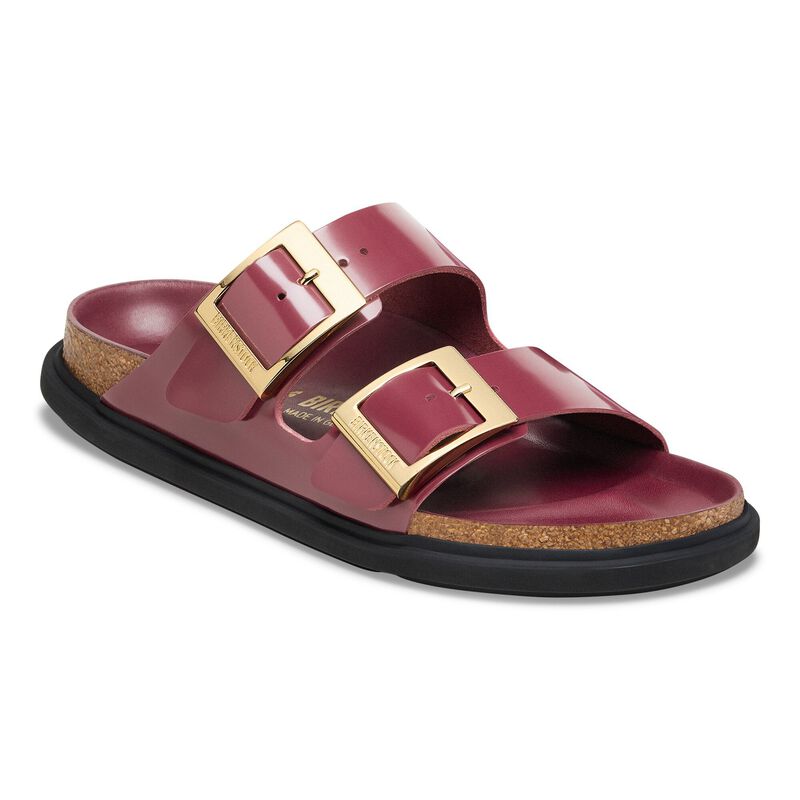
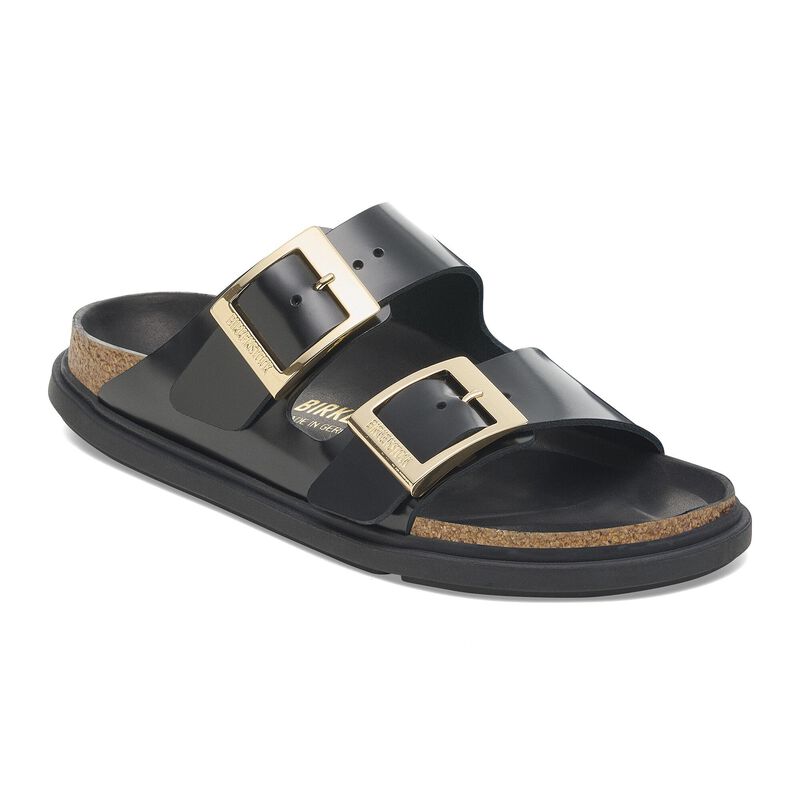
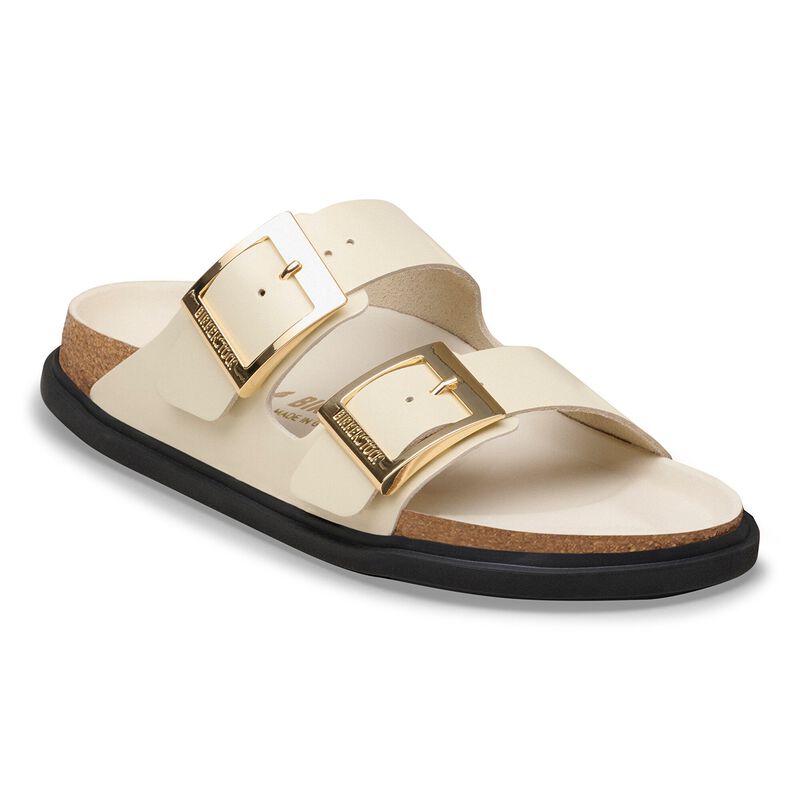
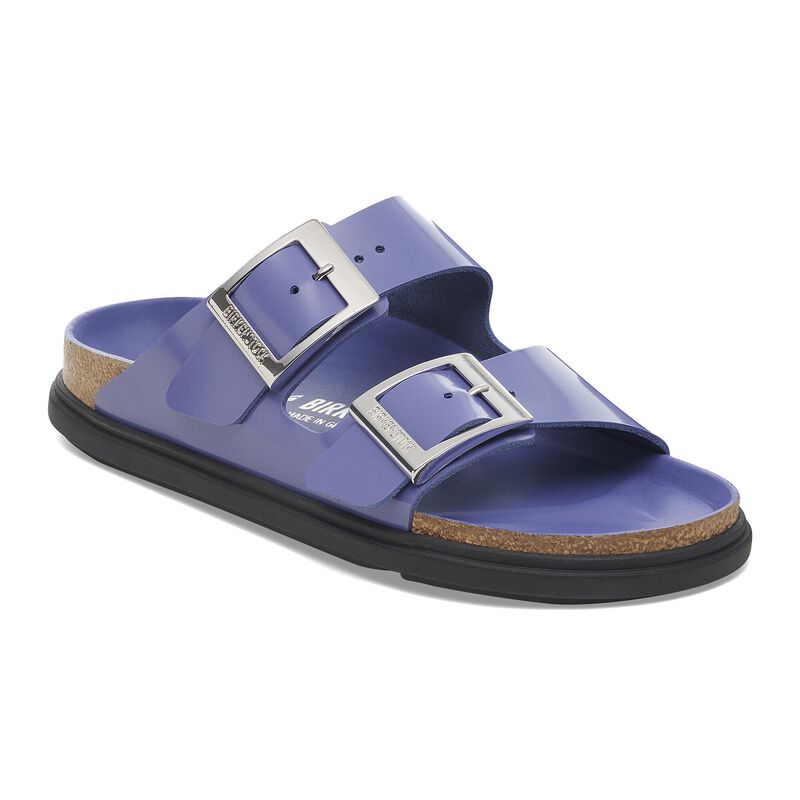
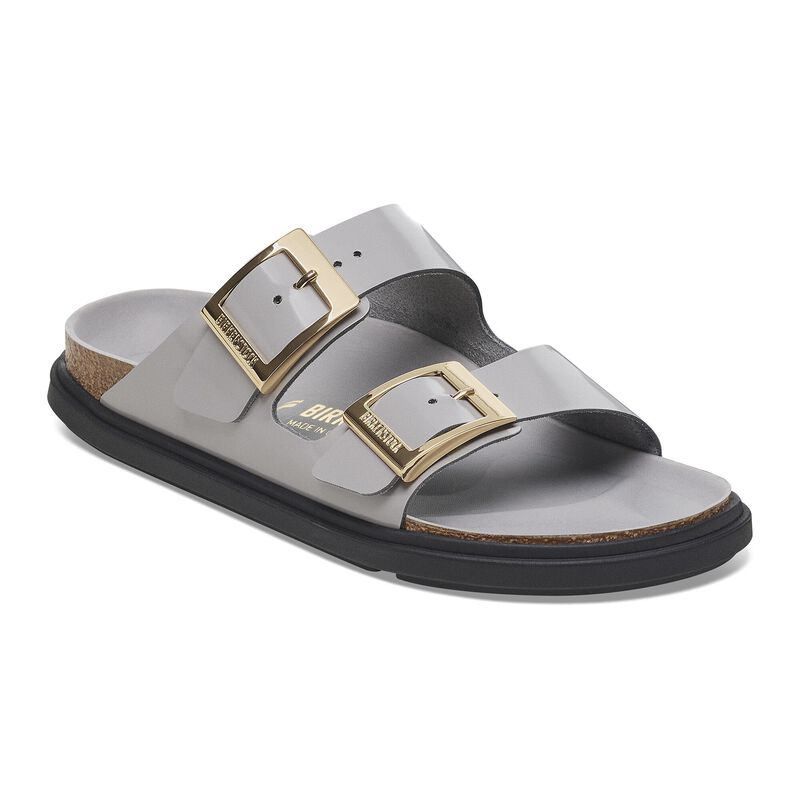
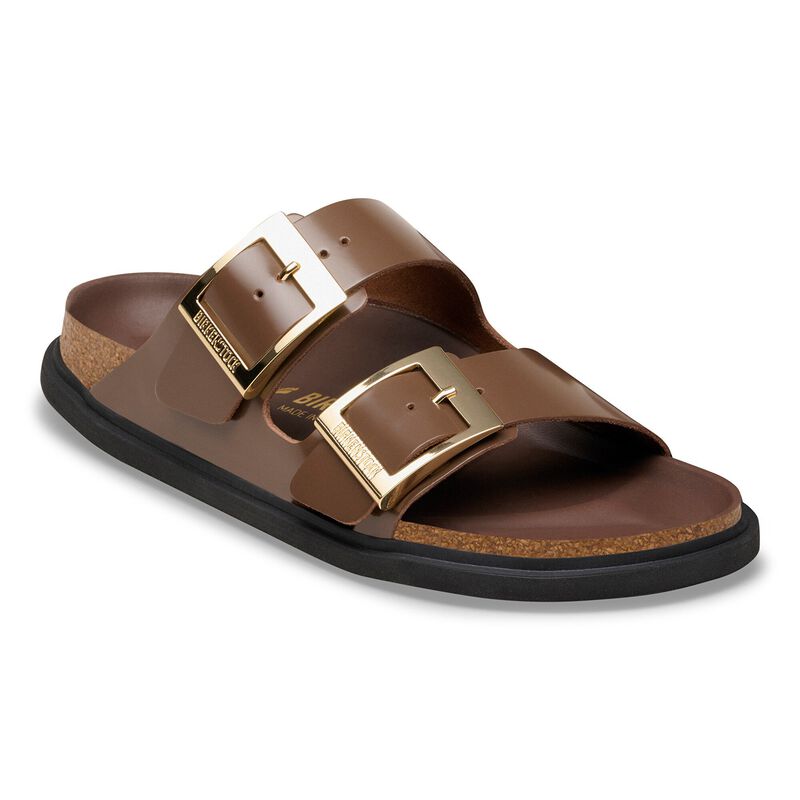
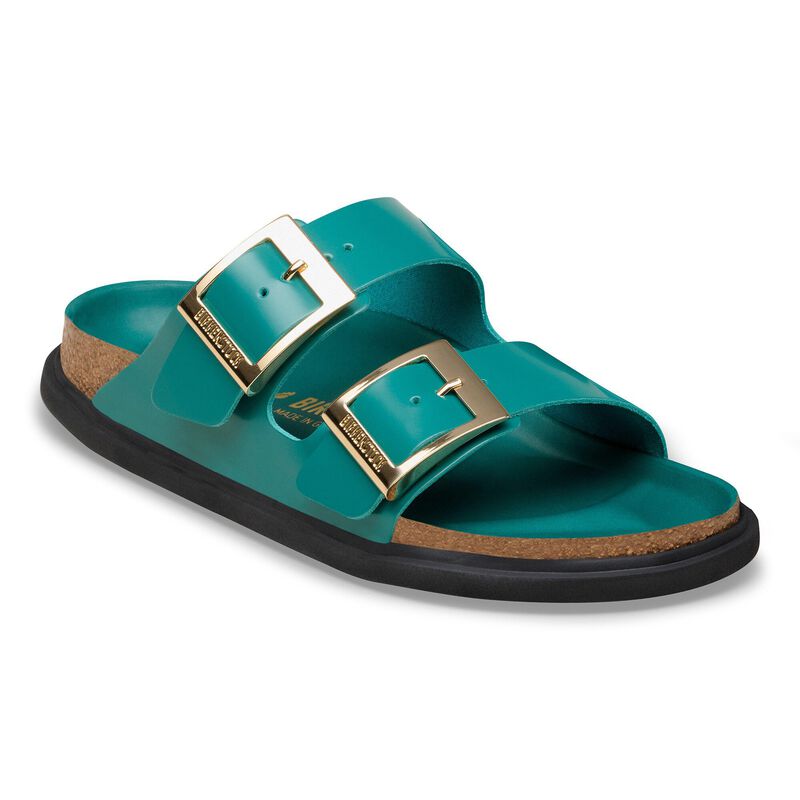
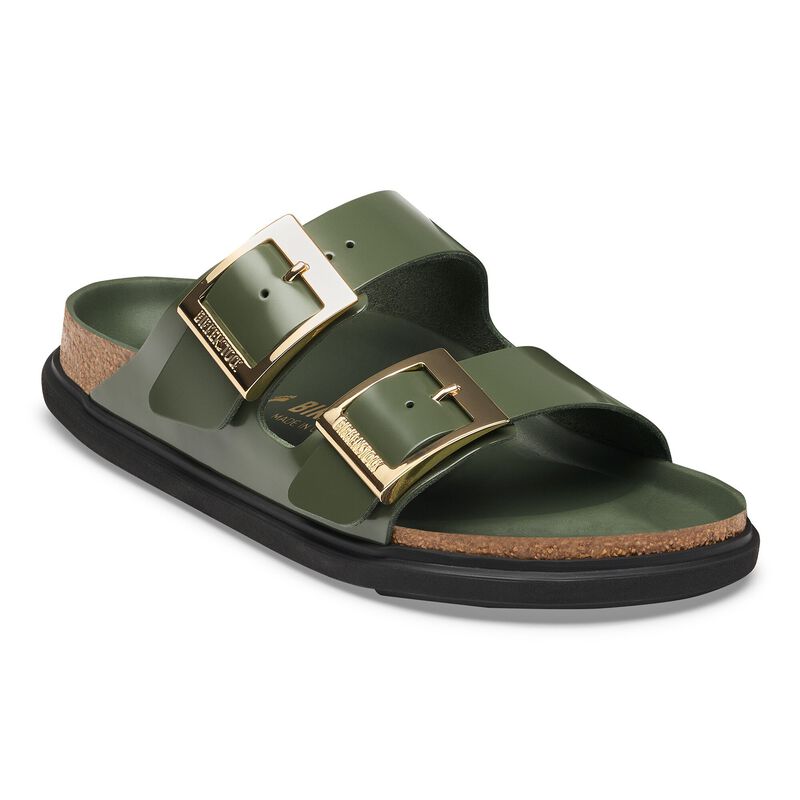
Your new BIRKENSTOCK Arizona Droplet Buckle Natural Leather Patent sandals are ready for everyday wear, but the first week is key. Whether you chose High Shine Black, High Shine Ecru, High Shine New Beige, High Shine Pure Sage, High Shine Purple Dusk, High Shine Stone Coin, Zinfandel High Shine, High Shine Oyster, High-Shine Carafe, High-Shine Dark Teal, or High-Shine Thyme, the break-in process is the same. This guide focuses on cork footbed adaptation, strap fit, and walking on hard floors so you can transition smoothly into all-day comfort.
Understanding Your Cork Footbed
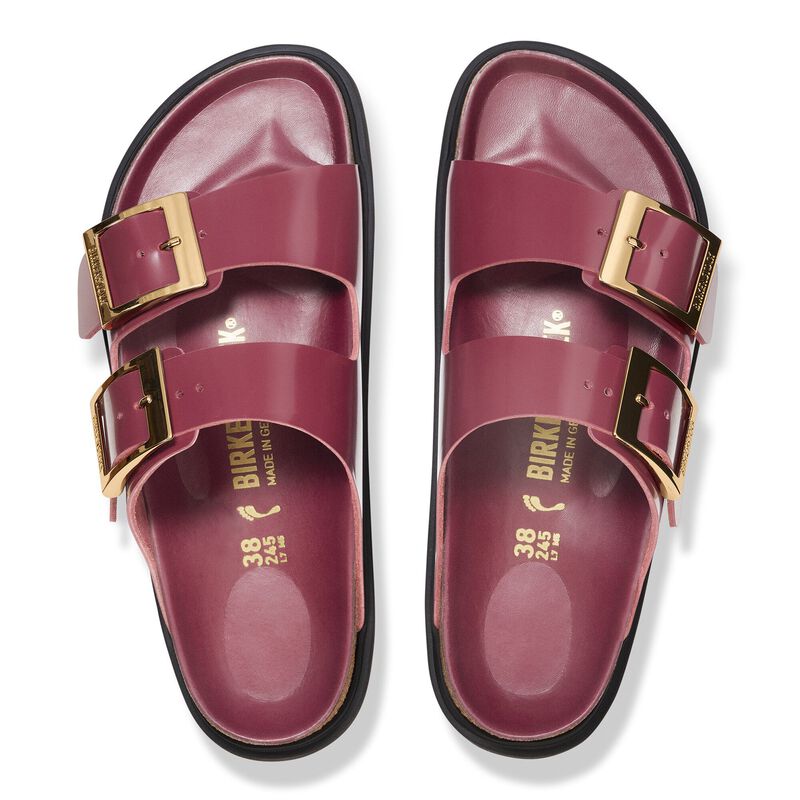
Every pair of BIRKENSTOCK sandals, including the Arizona Droplet Buckle Natural Leather Patent, features a cork-latex footbed that molds to your feet over time. In the first week, the cork is firm and may feel rigid underfoot. This is normal. The footbed is designed to provide arch support and even weight distribution, but it needs a few days to soften and shape to your unique foot contours. Do not expect instant cushioning—that comes after several wears.
Walk gradually during the first three to four days. Start with two hours of wear, then increase by one hour daily. This allows the cork to warm and yield without putting excessive pressure on your arches or heels. If you experience discomfort, take a break and resume later. Rushing the process can lead to blisters or soreness, so patience is essential.
Strap Fit: Getting the Buckle Right
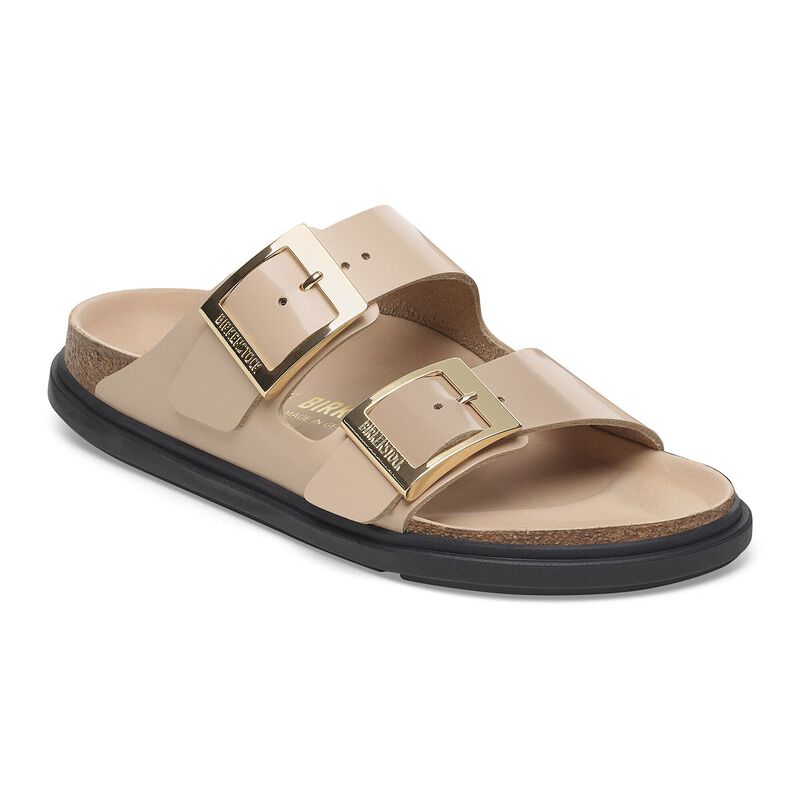
The Arizona Droplet Buckle features an adjustable strap with a decorative droplet buckle. Proper strap fit is crucial for footbed break-in. Your straps should be snug but not tight—you should be able to slide a finger under the strap at the top of your foot. In the first week, you may need to adjust the buckle as the footbed settles. Initially, you might find the straps feel loose because the cork is still firm. Tighten them slightly, but avoid over-tightening, which can cause friction and blisters.
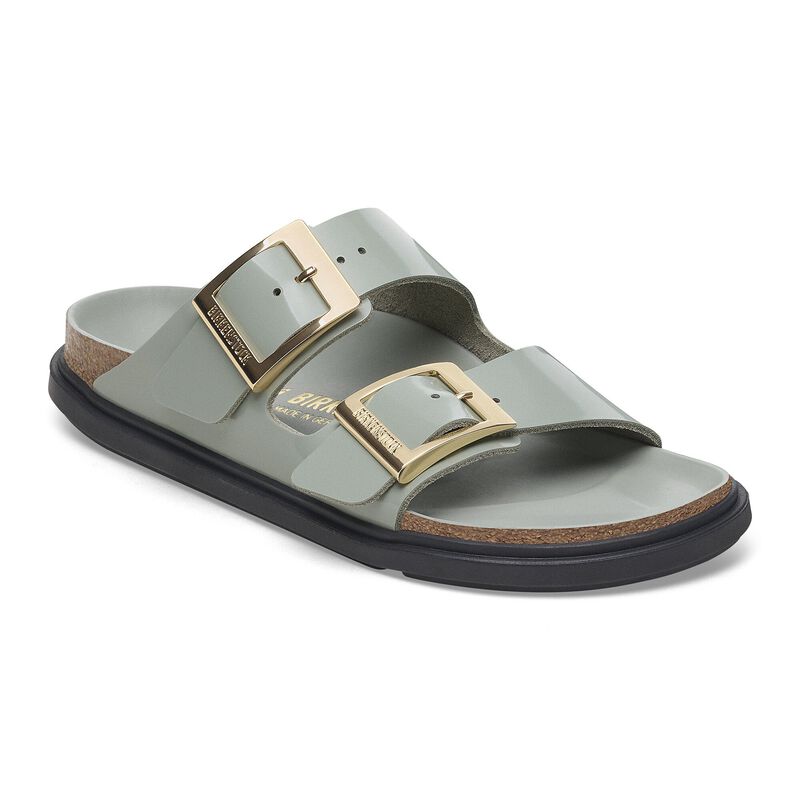
Check the fit after each wear. The Natural Leather Patent straps will soften with use, conforming to your foot's shape. As the cork compresses, you may need to tighten the straps a notch to maintain support. Remember, the goal is a secure hold without pressure points. The patent finish is durable but can crease with flexing—this is normal and adds character to your sandals.
Walking on Hard Floors: What to Expect
Hard floors like tile, wood, or concrete are common in homes and workplaces. During the first week, you may notice that the footbed feels hard against these surfaces. This is because the cork is still uncompressed. As you walk, the cork will gradually conform, but expect a period of adjustment. To ease into it, try wearing your sandals for short indoor walks, then gradually increase duration.
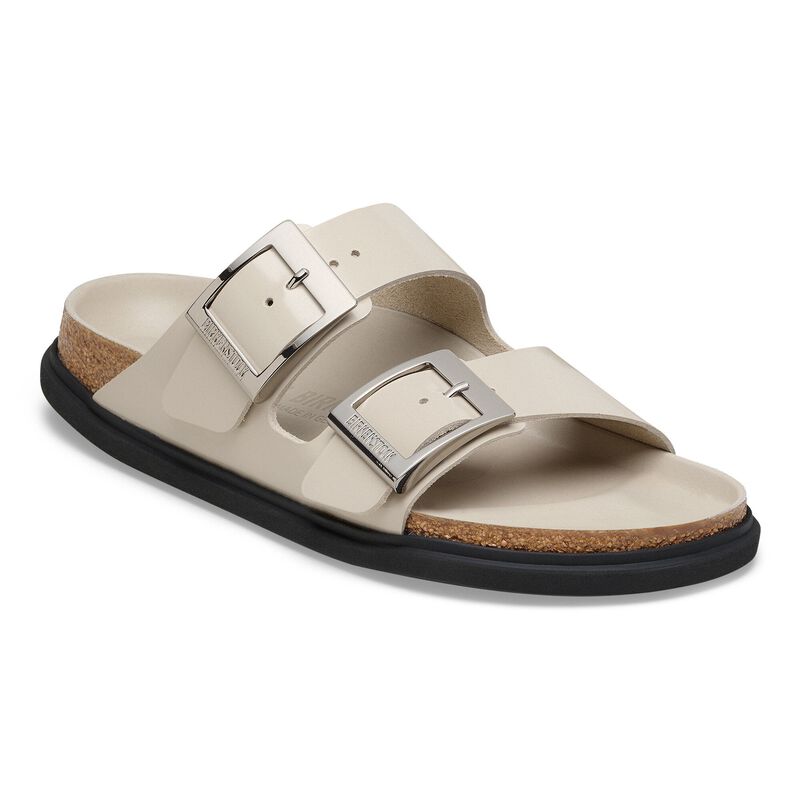
Your walking gait may feel slightly different at first. The pronounced arch support and deep heel cup guide your foot into a natural alignment, which can feel unfamiliar if you are used to flat shoes. This is a positive sign—the footbed is working to support your posture. Focus on walking heel-to-toe, allowing the footbed to cushion each step. In a few days, you will notice the footbed warming and softening, making hard floors more comfortable.
Break-In Timeline: What to Expect Each Day
Days one and two are the most critical. Wear your sandals for short periods at home. Your feet may feel tired because they are adjusting to the arch support. This is normal. On days three and four, increase wear time and start walking on hard floors for longer stretches. The cork begins to form to your arches, and the straps start to soften. By days five through seven, you should notice a significant improvement. The footbed feels less rigid, and the sandals feel more like a custom fit.
If you experience persistent soreness beyond the first week, reassess your strap fit. Sometimes a looser or tighter adjustment can alleviate pressure. Also, consider wearing socks for short periods to reduce friction. However, with the patent leather, socks may cause slipping, so barefoot is usually best.
Practical Tips for First-Week Comfort
Start with indoor wear only. This protects the patent finish and lets you focus on break-in without worrying about outdoor dirt. Wear your sandals for 30 to 60 minutes, then remove them and inspect your feet for any red marks. Redness that fades quickly is normal; persistent irritation indicates an issue.
Keep the straps clean and dry. Moisture can affect the patent leather, so avoid wearing them in rain or excessive sweat. If your feet sweat, take breaks to air out the sandals. The cork footbed is moisture-resistant, but keeping it dry helps maintain its shape.
Long-Term Benefits After the First Week
Once the footbed has molded, you will enjoy the renowned support that BIRKENSTOCK is known for. The Arizona Droplet Buckle Natural Leather Patent sandals will become a staple for walks, errands, and casual outings. The cork footbed provides lasting comfort, reducing fatigue on hard floors. The straps, now broken in, offer a secure fit without rubbing.
Remember that break-in is a personal journey. Some feet adapt in a few days, others take two weeks. Listen to your body and adjust accordingly. With consistent, gradual wear, your sandals will feel like they were made for you.
If you plan to alternate between indoor and outdoor use, consider a second pair of BIRKENSTOCK sandals, like the Boston or Madrid, to rotate and extend the life of your Arizona. But for now, focus on this first week. By following these notes, you will ensure a smooth transition into comfortable, supportive walking on any surface.
View this BIRKENSTOCK style in the shop
People also search
how to know BIRKENSTOCK size from foot length
BIRKENSTOCK Arizona two strap sandal fit true to size
how long to break in BIRKENSTOCK cork footbed
BIRKENSTOCK footbed sandals break-in no blisters
BIRKENSTOCK Milano ankle strap vs Arizona stability
BIRKENSTOCK suede vs nubuck which scuffs less
BIRKENSTOCK Boston taupe suede outfit ideas
how to choose BIRKENSTOCK width letter R or N
BIRKENSTOCK Arizona vs Milano for ankle support
how often to replace BIRKENSTOCK cork footbed
best BIRKENSTOCK for weekend travel packing
BIRKENSTOCK soft footbed vs original footbed difference
BIRKENSTOCK Arizona mink vs tobacco oiled leather
BIRKENSTOCK footbed sandals for standing on hard floors
BIRKENSTOCK Arizona vs Boston which is better for walking
how to store BIRKENSTOCK cork footbed between seasons
BIRKENSTOCK Boston suede water stains how to clean
BIRKENSTOCK sandals for nurses and long shifts
BIRKENSTOCK Arizona vs Super-Birki garden clog
are BIRKENSTOCK good for standing cooking at home
how to break in BIRKENSTOCK Arizona Droplet Buckle Natural Leather Patent Zinfandel High Shine Trail Easy cork footbed
BIRKENSTOCK wide width sandals for high volume feet
BIRKENSTOCK sandals for sightseeing Europe cobblestones
do BIRKENSTOCK sandals run small or large
BIRKENSTOCK arch support sandals for sightseeing
BIRKENSTOCK cork latex footbed how long it lasts
BIRKENSTOCK sandals waterproof options EVA
BIRKENSTOCK footbed technology cork and latex
BIRKENSTOCK Arizona for summer walking all day
do BIRKENSTOCK sandals work without socks
Trending BIRKENSTOCK searches
Arizona vs Madrid
BIRKENSTOCK new colors
BIRKENSTOCK stone Arizona
BIRKENSTOCK beach EVA
BIRKENSTOCK last chance
BIRKENSTOCK EVA sandals
BIRKENSTOCK tobacco leather
BIRKENSTOCK vegan Birko-Flor
break-in cork footbed
BIRKENSTOCK soft footbed
BIRKENSTOCK Milano
BIRKENSTOCK unisex sizing
BIRKENSTOCK cork footbed
BIRKENSTOCK Kyoto clog
BIRKENSTOCK city walking
BIRKENSTOCK Big Buckle
BIRKENSTOCK 2026 trends
BIRKENSTOCK cobblestone walking
contoured cork-latex footbed
BIRKENSTOCK Birko-Flor