



Function
Lutry Premium Suede Leather Black Walk Edit: First-Week Break-In, Strap Fit & Hard-Floor Walking | BIRKENSTOCK Contour Walk
Why the First Week Matters
The BIRKENSTOCK Lutry Premium Suede Leather in Black is a contoured sandal that asks for a little patience before it gives you all-day comfort. The cork footbed is the heart of the design, and it doesn’t arrive pre-molded to your foot. Instead, it responds to heat, moisture, and pressure from your own stride. The first week is when that transformation begins. You’ll notice the suede upper softening, the strap settling into place, and the footbed starting to cup your heel and arch. If you walk on hard floors—wood, tile, concrete—this break-in period is even more important because there’s no carpet to cushion the learning curve. The reward is a sandal that feels like it was made for your foot, not just your size.
Day 1–2: Short Walks, Big Feedback
Start with 20–30 minutes of wear on the first day. The Lutry Premium Suede Leather Black has a suede upper that feels smooth against the skin, but the cork footbed underneath is firm. On hard floors, that firmness is obvious. Your arch may feel pressure, and your heel may notice the deep heel cup. That’s normal. The footbed isn’t broken in yet—it’s still flat in the areas your foot needs to shape. Keep your first walks short and around the house. If you’re standing at a kitchen counter or walking to the mailbox, that’s enough. By day two, add another 15 minutes. You’re teaching the cork where to give.
During these first days, pay attention to your strap fit. The Lutry has a adjustable strap across the instep. It should be snug enough that your foot doesn’t slide, but loose enough that you can wiggle your toes. A common mistake is cranking the strap tight to make the sandal feel secure. That restricts the footbed’s ability to mold and can cause hot spots. Start with the strap one notch looser than you think you need. As the suede softens, you can tighten it gradually.
Day 3–4: The Cork Starts to Respond
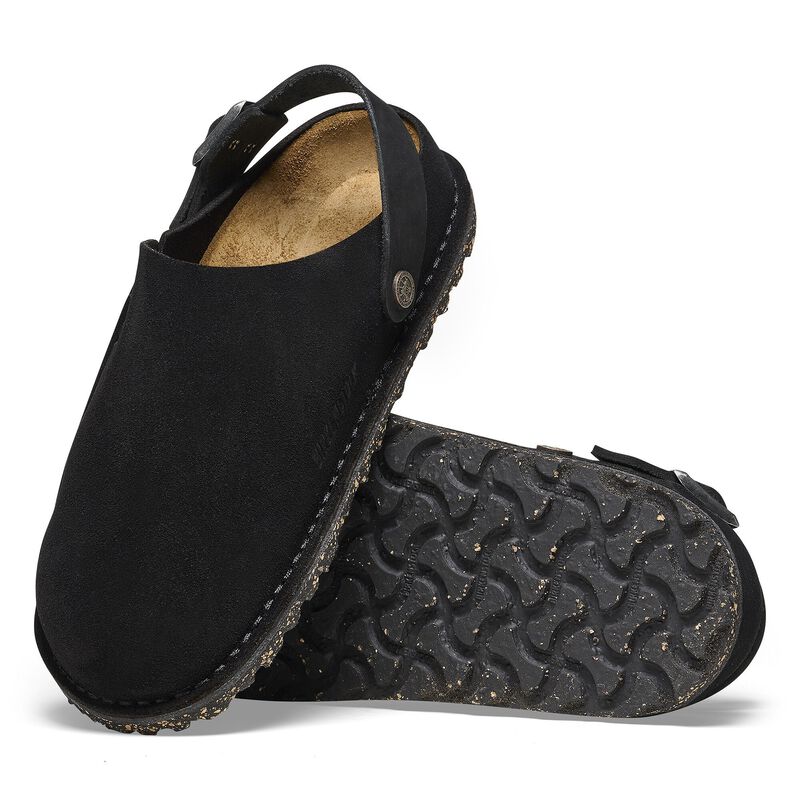
By the third day, the cork footbed begins to warm and soften under your weight. You’ll feel a slight depression forming under your heel and the ball of your foot. The arch support, which may have felt aggressive on day one, starts to feel more like a gentle cradle. This is the cork doing its job. On hard floors, you’ll notice that the footbed absorbs some of the impact—not like a foam cushion, but like a firm, supportive layer that encourages a more natural gait. Keep your walks to 30–45 minutes. If you’re used to soft sneakers, this transition can feel like a workout for your feet. That’s okay. The muscles in your feet and calves are waking up.
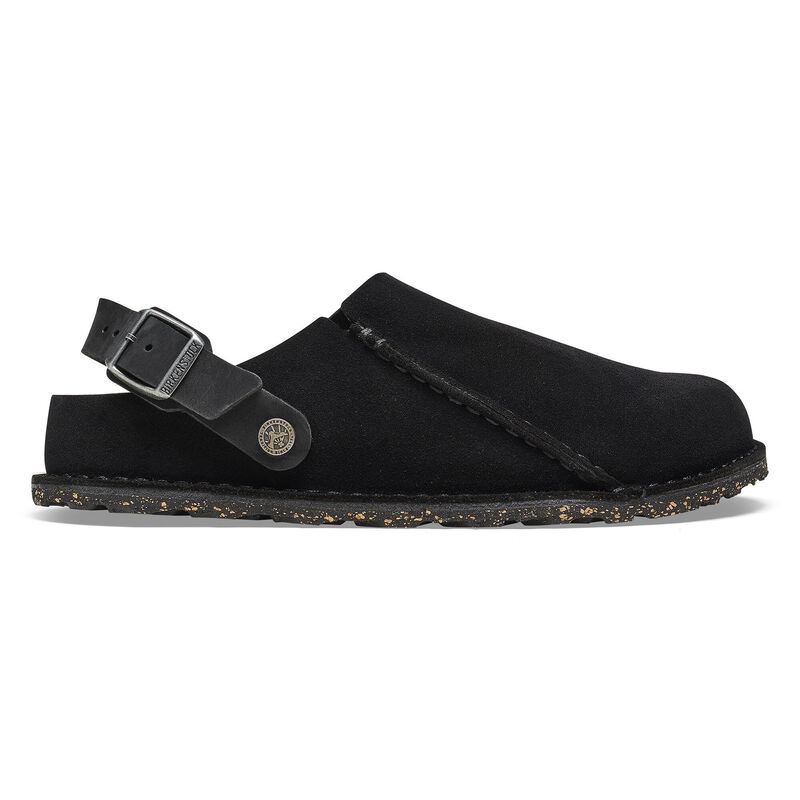
Strap fit becomes more intuitive now. The suede upper stretches slightly with each wear. Check the strap every time you put the sandals on. You might need to tighten it a notch as the material relaxes. The goal is a consistent, gentle pressure across the top of your foot. If you see red marks after removing the sandals, the strap is too tight. If your foot slides forward when you walk, it’s too loose. Adjust in small increments.
Day 5–7: Walking on Hard Floors Without Thinking
By the end of the first week, the Lutry Premium Suede Leather Black should start to feel like a second skin. The cork footbed has taken on the shape of your arch and heel. The suede upper has softened and conformed to the contours of your foot. Walking on hard floors—whether it’s a grocery store aisle, a museum, or your own hallway—no longer feels like a negotiation. You’ll notice that your heel lands more centered, your toes push off more evenly, and your stride feels less jarring. That’s the cork footbed working with your foot, not against it.
At this point, you can extend your wear time to an hour or more. But don’t rush it. If you feel any soreness, take the sandals off and give your feet a break. The break-in process is not a race. Some people need two weeks; others need three. The key is consistency. Wear them for a little while every day, and the footbed will keep molding.
Strap Fit: The Difference Between Comfort and Frustration
The Lutry’s strap is simple, but it’s the most important adjustment you’ll make. The suede leather is soft and forgiving, but it still needs to be positioned correctly. Here’s how to get it right:
- Start loose: Buckle the strap so you can fit one finger between the strap and your foot. This allows the footbed to do its job without constriction.
- Adjust after a few minutes: As you walk, your foot may shift slightly. Stop and readjust the strap if needed. The suede will stretch, so you may need to tighten it later.
- Check for pressure points: The strap should cross the instep, not the toes or the ankle. If it rubs against your ankle bone, try a different hole.
- Keep it consistent: Once you find the sweet spot, try to buckle the strap in the same position each time. This helps the suede memorize the fit.
Remember that the Lutry is available in a range of colors: Black, Mink, Eggshell, Gray Taupe, Elemental Blue, Faded Purple, Dark Tea, Pure Sage, Oyster, and Pepper. Each color uses the same premium suede leather, so the fit and break-in process are identical. The Black version is the focus here, but if you prefer a lighter tone, the Mink or Eggshell will show less scuffing, while the Dark Tea and Pepper hide everyday wear.
Hard Floors: What to Expect and How to Adapt
Hard floors are unforgiving. They don’t absorb shock, and they can make a firm footbed feel even firmer. That’s why the first week on hard floors is a learning experience. Here are a few tips to make it smoother:
- Take shorter steps: Overstriding on hard floors puts more pressure on your heel and the footbed. Shorten your stride and let your midfoot land first.
- Walk barefoot at home: When you’re not wearing the Lutry, go barefoot on soft surfaces to give your feet a rest.
- Use the sandals for errands, not marathons: In the first week, don’t wear them for a full day of sightseeing. Build up gradually.
- Rotate with other shoes: If you have a pair of soft sneakers, alternate them with the Lutry to give your feet a break from the firm support.
The cork footbed will eventually adapt to hard floors by molding to your weight distribution. You’ll feel more stable, and the slight give under your arch will reduce fatigue. But it takes time. Don’t judge the sandals on day one.
How the Cork Footbed Molds to You
BIRKENSTOCK cork footbeds are made from a mix of cork and latex. Cork is naturally resilient, but it also has a memory of sorts. When you wear the sandals, your body heat softens the cork slightly, and your weight presses it into a shape that matches your foot. The latex helps it bounce back, but over time, the footbed retains the contours of your arch, heel, and toes. This is why no two pairs of broken-in BIRKENSTOCKs feel exactly the same.
During the first week, you’ll notice the footbed changing most in three areas: the heel cup, the arch, and the toe bar. The heel cup deepens slightly, giving you a more secure feel. The arch rises to meet your foot’s natural curve. The toe bar becomes more pronounced, encouraging your toes to grip and your foot to align. On hard floors, these changes are especially noticeable because there’s no cushioning to mask the footbed’s shape.
If you have flat feet or high arches, the break-in may feel more intense. That’s because the footbed is encouraging a more neutral position. Give it time. Most people find that after two weeks, the footbed feels custom-made.
Suede Leather: Care During Break-In
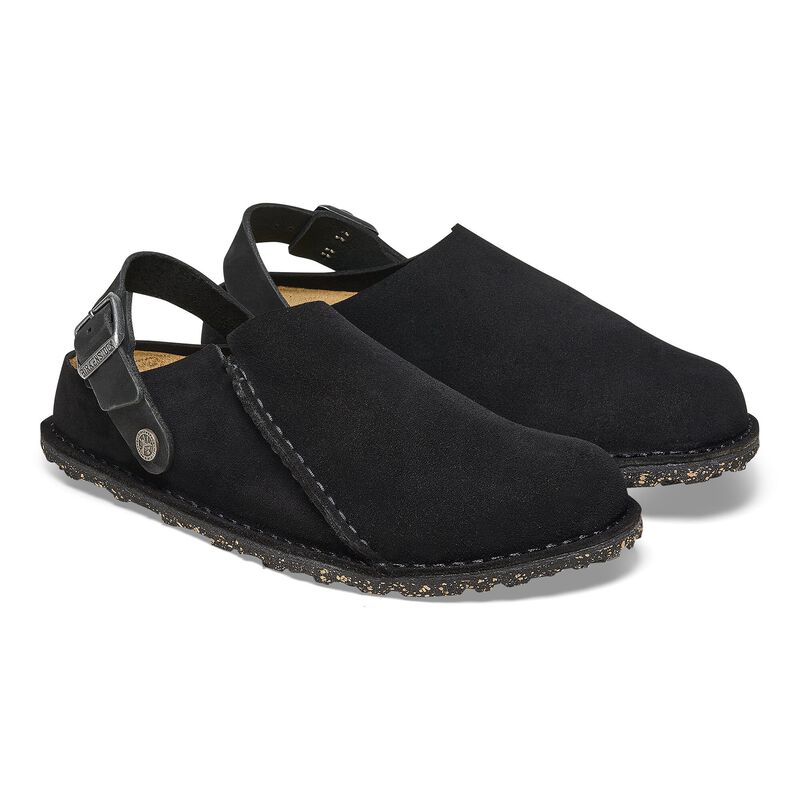
The Lutry’s suede upper is soft and breathable, but it’s also vulnerable to dirt and moisture. During the first week, you’re likely wearing the sandals indoors and outdoors. To keep the suede looking good:
- Brush after each wear: Use a suede brush to remove dust and restore the nap.
- Avoid water: If the suede gets wet, blot it with a cloth and let it air dry away from heat. Don’t use a hair dryer.
- Use a protector spray: Before the first wear, apply a suede protector to help repel stains. This is especially important for lighter colors like Eggshell, Oyster, and Pure Sage.
- Don’t over-clean: Suede is durable, but excessive brushing can damage the fibers. A quick brush once a day is enough.
The Black suede is the most forgiving, but all colors benefit from a little care. If you choose Faded Purple or Elemental Blue, keep in mind that darker denim can transfer dye onto the suede. Wear them with light-colored socks or bare feet until the break-in period is over.
When to Know You’re Fully Broken In
You’ll know the Lutry Premium Suede Leather is fully broken in when you forget you’re wearing them. The footbed feels like an extension of your foot, the strap stays put without adjustment, and walking on hard floors feels natural. For most people, this happens between two and four weeks of regular wear. But the first week is the foundation. If you rush it, you risk blisters, sore arches, and a bad impression of what is actually a very comfortable sandal.
Pay attention to your body. If something hurts, stop. If the strap leaves marks, loosen it. If your feet feel tired, rest. The Lutry is designed to support you, but it needs your cooperation to get there. Once it’s broken in, you’ll have a sandal that handles hard floors, long walks, and everyday errands with equal ease—in any of the ten colors, from classic Black to playful Faded Purple.
Final Thoughts: The First Week Is an Investment
Buying a BIRKENSTOCK is not like buying a pair of foam sandals. The Lutry Premium Suede Leather Black is a tool for your feet, and like any good tool, it needs to be calibrated. The first week is that calibration. You’re teaching the cork footbed where to support you, teaching the suede strap where to hold you, and teaching your own stride how to work with a contoured surface. On hard floors, the feedback is immediate, but the payoff is lasting. Take it slow, adjust the strap often, and let the cork do its work. By day seven, you’ll feel the difference. By day thirty, you’ll wonder how you ever walked without them.
View this BIRKENSTOCK style in the shop
People also search
BIRKENSTOCK sandals lightweight hiking light trails
best color for BIRKENSTOCK Lutry Premium Suede Leather Black Walk Edit everyday wear
BIRKENSTOCK Arizona Big Buckle vs classic Arizona
BIRKENSTOCK arch support sandals for sightseeing
BIRKENSTOCK footbed packed out when to replace
how to break in BIRKENSTOCK Lutry Premium Suede Leather Black Walk Edit cork footbed
BIRKENSTOCK cork latex footbed how long it lasts
BIRKENSTOCK footbed technology cork and latex
best BIRKENSTOCK for backyard home and errands
how to store BIRKENSTOCK cork footbed between seasons
how long to break in BIRKENSTOCK cork footbed
how to stop heel slipping in BIRKENSTOCK Arizona
BIRKENSTOCK Boston vs Milano which for commute
BIRKENSTOCK Arizona mocha vs dark brown
BIRKENSTOCK suede vs nubuck which scuffs less
best color BIRKENSTOCK Arizona for everyday
best BIRKENSTOCK for weekend travel packing
BIRKENSTOCK Arizona regular width vs wide fit guide
BIRKENSTOCK Birko-Flor vs leather which lasts longer
BIRKENSTOCK Boston break in time first week
BIRKENSTOCK Arizona vegan Birko-Flor vs leather
BIRKENSTOCK Arizona for summer walking all day
BIRKENSTOCK Kyoto vs Boston clog comparison
BIRKENSTOCK wide width sandals for high volume feet
BIRKENSTOCK sizing EU to US conversion chart
BIRKENSTOCK sizing guide regular vs wide width
BIRKENSTOCK Boston clog with socks in cold weather
BIRKENSTOCK Boston suede water stains how to clean
are BIRKENSTOCK sandals good for cobblestone city streets
BIRKENSTOCK sandals waterproof options EVA
Trending BIRKENSTOCK searches
oiled leather clog care
BIRKENSTOCK soft footbed
break-in cork footbed
BIRKENSTOCK wide width
contoured cork-latex footbed
BIRKENSTOCK Boston clog
BIRKENSTOCK Arizona
Boston vs Kyoto
BIRKENSTOCK Kyoto clog
regular vs wide BIRKENSTOCK
BIRKENSTOCK Mayari
BIRKENSTOCK oiled leather
BIRKENSTOCK city walking
thong sandal Gizeh
all day walking sandals
BIRKENSTOCK mink oiled leather
ankle strap Milano
BIRKENSTOCK cobblestone walking
BIRKENSTOCK Big Buckle
Arizona vs Madrid