



Function
Uppsala Low Natural Leather Black Soft Sole: First-Week Cork Footbed Break-In Notes | BIRKENSTOCK Contour Walk
Why the First Week Matters
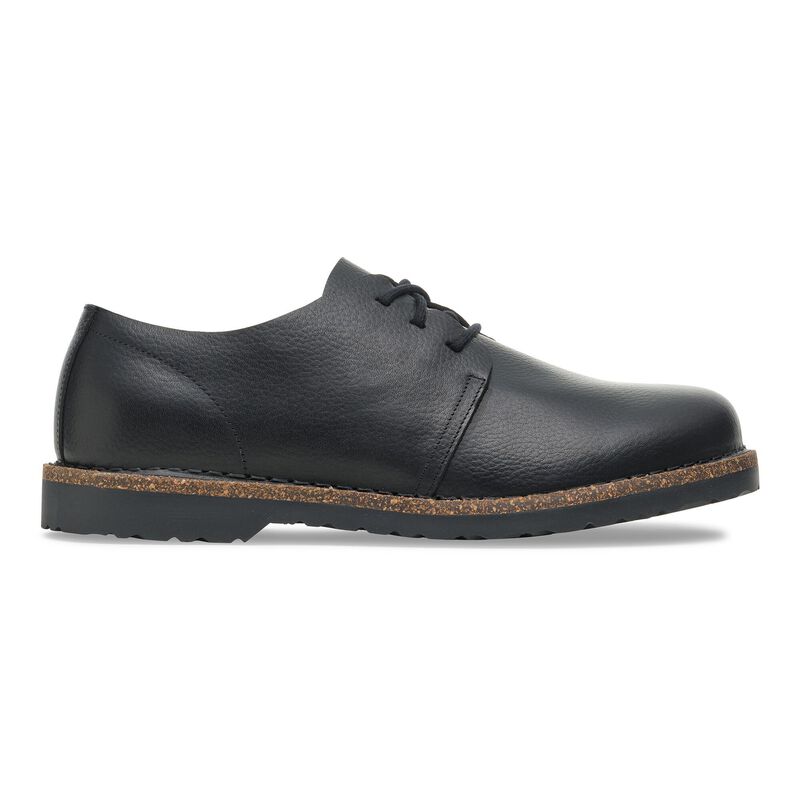
Every BIRKENSTOCK starts as a blank slate: a cork footbed that hasn't met your feet yet. The Uppsala Low Natural Leather Black Soft Sole is no exception. This low-profile walking shoe arrives with a natural leather upper and a soft sole, and it asks for one thing before it becomes truly yours: a proper first week. That week is when the cork footbed begins to respond to your weight, your gait, and the shape of your arches. It's also when you decide how the straps should sit and how the shoe feels on tile, concrete, and hardwood. Get those three pieces right and the Uppsala Low becomes a daily companion. Rush them and you'll fight the shoe for months.
What the Cork Footbed Does in Days 1–3
Out of the box, the cork footbed is firm. You'll feel a distinct ridge under your arch and a cupped heel. That's intentional. BIRKENSTOCK builds the footbed to support, not to squish. On day one, wear the Uppsala Low for short errands—20 to 30 minutes at a time. The cork is still cool and unyielding, and the natural leather upper is still taut. By day two, you'll notice the footbed warming to your body temperature. The cork doesn't soften like foam; it compresses slightly where you press hardest. Most people feel the first change under the ball of the foot and along the outer edge of the heel. By day three, the arch ridge may feel less like a bump and more like a gentle hand. That's the beginning of molding—not a defect, but the point.
Days 4–7: The Footbed Starts to Follow Your Foot
Somewhere around day four, the cork footbed begins to take on a subtle imprint. You won't see it clearly yet, but you'll feel it: the heel cup seems to hold your heel a little more precisely, and the arch support meets your foot instead of pushing against it. The natural leather upper also starts to relax across the instep and around the toes. This is when the Uppsala Low stops feeling like a new shoe and starts feeling like your shoe. Keep walks moderate—45 minutes to an hour—and avoid long distances on consecutive days. The cork needs rest between wears to retain its resilience. If you can alternate with another pair, do. If not, give the Uppsala Low a full day off after two days of wear.
Strap Fit: Loose Enough to Move, Snug Enough to Hold
The Uppsala Low uses adjustable straps to secure the natural leather upper. The most common mistake in week one is over-tightening. A BIRKENSTOCK footbed works best when your foot can lift slightly with each step—that tiny bit of motion lets the cork flex and mold. If the straps are cranked down, your foot stays pinned, the footbed can't respond, and you'll feel pressure points on the top of your foot. Start with the straps snug but not tight: you should be able to slide one finger under each strap without force. As the leather softens over the first week, you'll likely need to tighten each strap by one notch. Check the fit after every walk. The goal is a handshake, not a clamp.
Walking on Hard Floors: What to Expect
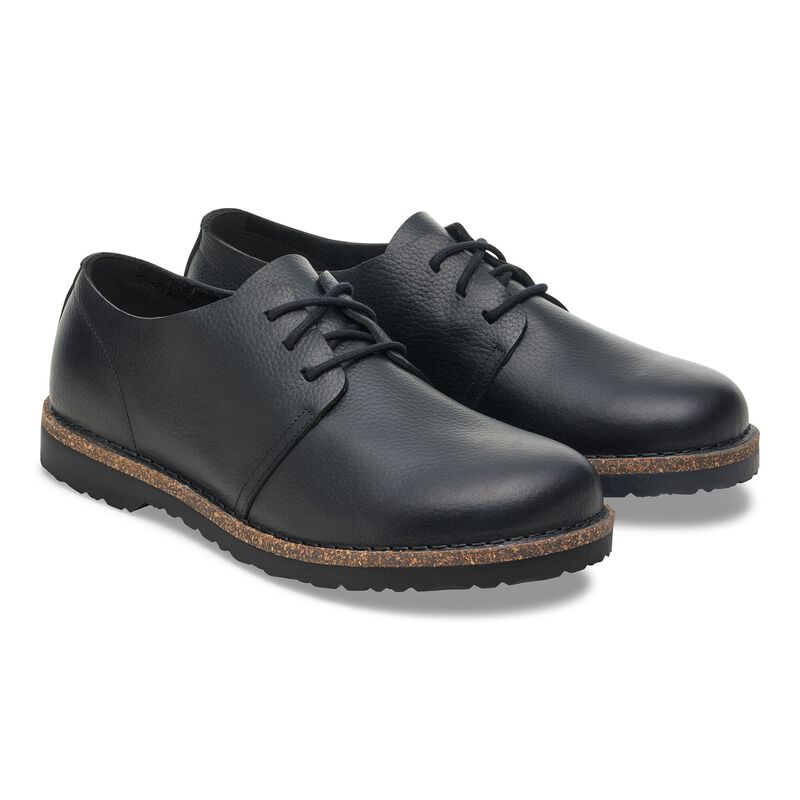
Hard floors—tile, concrete, hardwood, laminate—are where the Uppsala Low's soft sole and cork footbed prove themselves. The soft sole takes the initial edge off each step, while the cork footbed distributes pressure across your whole foot rather than concentrating it in the heel or ball. On day one, a concrete floor may feel unforgiving. By day five, the same floor feels noticeably smoother underfoot because the footbed has started to match your weight distribution. That's not magic; it's the cork compressing where you need it. If you work on hard floors all day, wear the Uppsala Low in two-hour blocks for the first three days, then increase gradually. Your feet will adapt, and the shoe will adapt with them.
Natural Leather and the Break-In Timeline
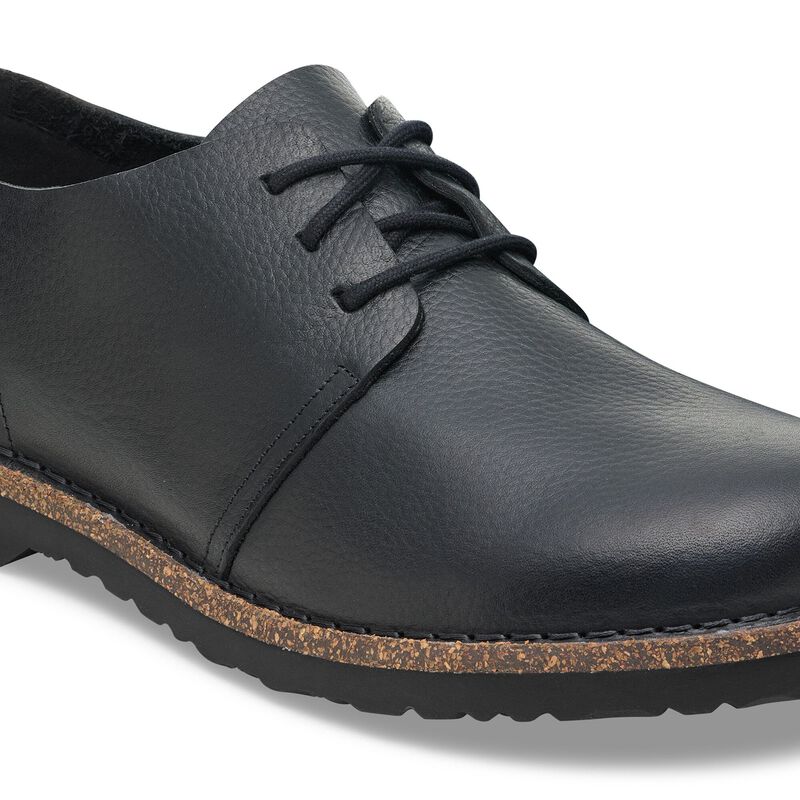
The natural leather upper on the Uppsala Low is supple but honest. It will crease where your foot flexes—across the toes and at the instep—and those creases are part of the fit. Unlike synthetic uppers, natural leather stretches to your foot's shape over the first week. You may notice a slight looseness after day four or five, which is why the strap adjustment matters. Keep the leather clean and dry; a damp cloth is enough for most days. Avoid soaking the shoe, and never force-dry it near a heater. The cork footbed and leather upper both prefer room temperature and a little patience.
Colors That Work With the Break-In
The Uppsala Low Natural Leather Black Soft Sole comes in Black and Chocolate. Black is the more formal of the two and hides scuffs well during the first week when you're still learning how the shoe moves with you. Chocolate shows creases more readily but develops a rich patina as the leather softens. Both colors share the same cork footbed and soft sole, so the break-in experience is identical. Choose based on your wardrobe, not on durability—both are built to last.
When to Know the Break-In Is Done
For most people, the cork footbed feels fully molded by the end of week two, but the first week is when the biggest changes happen. You'll know the break-in is complete when you can put on the Uppsala Low and forget you're wearing a new shoe. The arch support feels natural, the heel cup feels like it was made for you, and the straps stay where you set them. At that point, you can wear the shoe all day on hard floors without thinking about it. Until then, keep walks short, adjust the straps as the leather relaxes, and let the cork do its job. That's how a BIRKENSTOCK becomes a second foot.
View this BIRKENSTOCK style in the shop
People also search
BIRKENSTOCK sandals for sightseeing Europe cobblestones
BIRKENSTOCK Arizona white vs black everyday wear
BIRKENSTOCK Arizona vs Boston which is better for walking
BIRKENSTOCK suede vs nubuck which scuffs less
BIRKENSTOCK Boston fit compared to Arizona
BIRKENSTOCK soft footbed vs original footbed difference
BIRKENSTOCK Madrid vs Arizona for travel days
BIRKENSTOCK Uppsala Low Natural Leather Black Soft Sole vs Arizona for walking
best BIRKENSTOCK for airport travel and long flights
BIRKENSTOCK Arizona two strap too loose how to tighten
BIRKENSTOCK Arizona regular width vs wide fit guide
BIRKENSTOCK cork latex footbed how long it lasts
do BIRKENSTOCK sandals work without socks
BIRKENSTOCK footbed sandals for standing on hard floors
best BIRKENSTOCK for weekend travel packing
BIRKENSTOCK sandals for plantar comfort walking
BIRKENSTOCK EVA sandals for beach and pool
BIRKENSTOCK Arizona midnight vs black oiled leather
best BIRKENSTOCK for city walking tour
BIRKENSTOCK cork footbed squeak how to fix
BIRKENSTOCK Arizona vs Milano for ankle support
BIRKENSTOCK footbed sandals break-in no blisters
BIRKENSTOCK Arizona Big Buckle vs classic Arizona
BIRKENSTOCK Arizona outfit with linen summer clothes
best BIRKENSTOCK clog for indoor and outdoor
BIRKENSTOCK Madrid big buckle trend 2026
do BIRKENSTOCK sandals run small or large
are BIRKENSTOCK good for standing cooking at home
BIRKENSTOCK Arizona last chance colors worth buying
are BIRKENSTOCK sandals good for cobblestone city streets
Trending BIRKENSTOCK searches
BIRKENSTOCK airport shoes
BIRKENSTOCK unisex sizing
Boston vs Kyoto
BIRKENSTOCK city walking
contoured cork-latex footbed
BIRKENSTOCK oiled leather
BIRKENSTOCK shearling Boston
summer BIRKENSTOCK outfits
Arizona vs Madrid
Uppsala Low Natural Leather Black Soft Sole cork footbed
BIRKENSTOCK EVA sandals
BIRKENSTOCK Boston clog
Arizona vs Boston
Uppsala Low Natural Leather Black Soft Sole oiled leather
BIRKENSTOCK soft footbed
BIRKENSTOCK last chance
BIRKENSTOCK Mayari
oiled leather clog care
ankle strap Milano
BIRKENSTOCK Birko-Flor